How to Choose Oakley Sunglasses for Driving: Lens Tint, Fit, and Glare Guide
Driving is unforgiving about eyewear. A tint that feels fine walking to the car can wash out lane markings at highway speed, and a frame that looks sharp in a mirror can leave a bright gap exactly where the sun sits. Oakley makes a wide range of lenses, and the differences between them matter more behind a windshield than almost anywhere else. Three things decide whether a pair works for you: the tint in front of your eyes, how much of the scene the lens actually covers, and how the frame sits on your face.
Match the Lens to the Light You Drive In
Most drivers do not need one perfect lens. They need to be honest about which conditions they actually drive in. Before you shop, estimate your own split: bright midday highway, flat grey mornings, long winter commutes home in the dark. Those three situations want different glass.
Bright sun and open highway
Go darker. Oakley publishes a visible light transmission (VLT) figure for every lens, and for full daylight something in the low teens to roughly 20 percent is a comfortable range. Grey-based tints keep colors neutral, which is what you want when you are reading signs and judging distances. Bronze and rose-based tints warm the whole scene and can make lane paint, brake lights and hazard flashers stand out a little more clearly. Iridium mirror coatings cut additional light and knock down the reflection bouncing off a pale hood.
Overcast, rain and winter grey
Here you want contrast, not darkness. A lens that is too dark on a grey day makes you squint harder, not less. A mid-tint with a warm or rose base helps you tell wet asphalt from dry, pick out taillights in spray, and spot a cyclist against a dull background. This is the condition most drivers underestimate, because the sun is not in their eyes and they assume any dark lens is fine.
Night, dawn and dusk
Wear clear or very lightly tinted lenses. Any meaningful tint removes light you need, and amber "night driving" lenses are not a substitute for a clean windshield, working headlights and being rested. Keep a clear pair in the car if you wear prescription glasses, and swap before the light goes, not after.
Oakley Tints, Translated for Drivers
Prizm is contrast tuning rather than simple color. It filters specific wavelengths to make certain things stand out, which is useful when the "thing" is a road sign or a lane divider.
- Prizm Grey and Prizm Black: neutral, no color shift, the safe default for bright days. Black is the darker of the two.
- Prizm Road: rose base, strong contrast on pavement. It is lighter overall, which is why cyclists like it and why it can feel thin on a glaring interstate at noon.
- Prizm Tungsten: warm bronze, heavy contrast, comfortable in flat light and late afternoon when everything looks the same shade of grey.
- Prizm Sapphire, Ruby and Jade: mirrored finishes. They look different from each other and cut a bit more light, so choose by how much light you want gone rather than by color alone.
- Prizm Daily Polarized: neutral grey with polarization built in, a common one-pair compromise for people who drive in mixed conditions.
Check the current VLT number for the exact lens and frame you are considering instead of trusting a nickname. Two frames with the same lens name can ship with different tints or coatings.
Polarization: Real Benefit, Two Catches
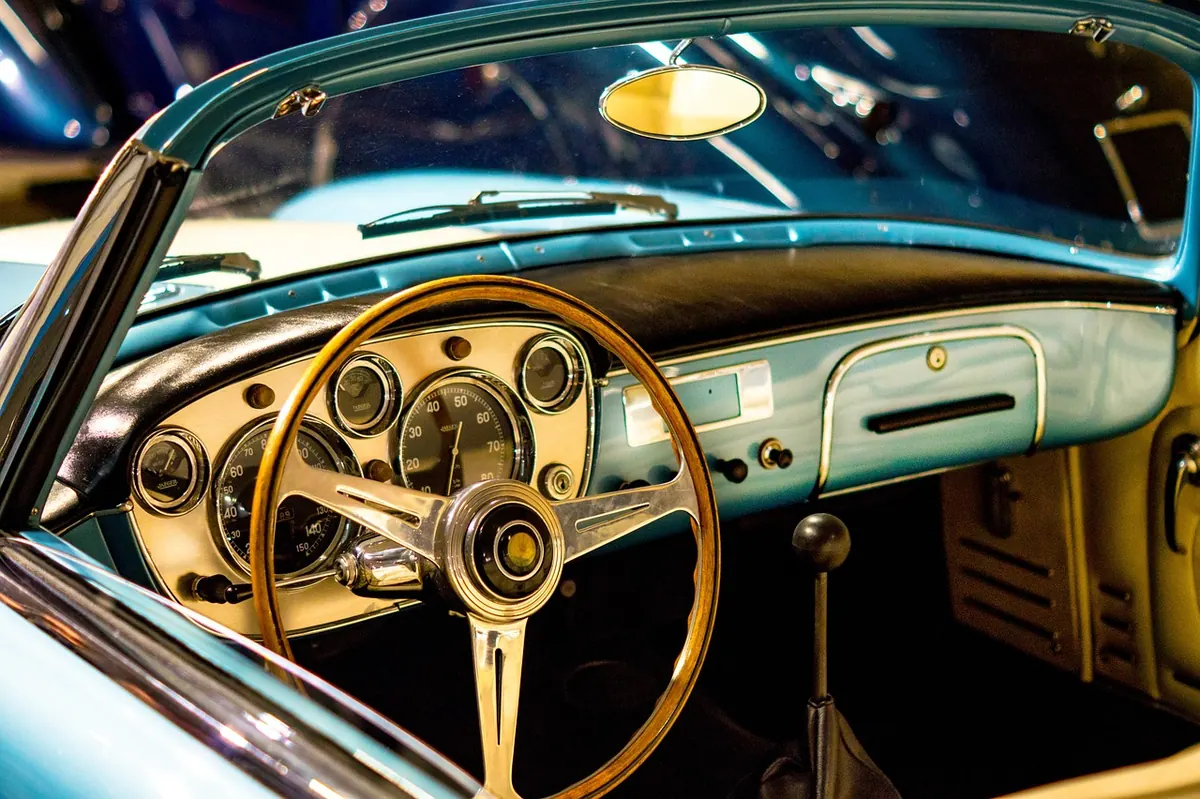
Polarized lenses cut horizontal glare, and a car produces a lot of it. Wet asphalt, chrome trim, a glossy dashboard, the back window of the car ahead. On a sunny highway, the difference is obvious and pleasant.
Two things are worth knowing before you commit. First, some dashboard displays, infotainment screens and head-up displays go dim, patchy or rainbow-colored when viewed through a polarized lens. Second, some windshields and aftermarket window films interact with polarized light and can produce a faint blotchy pattern across the glass.
Neither is universal, and both are easy to test. Sit in your own car with the sunglasses on, engine running, and look at your dash, your mirrors and your phone mount. If everything reads cleanly, polarization is a genuine upgrade. If your instrument cluster disappears, skip it and take a non-polarized contrast lens instead.
Coverage Matters More Than You Think
Glare rarely comes straight on. It comes from the edge of your vision: a low sun over the roofline, a bright car alongside, light bouncing off your own hood and back into your eyes from below. Lens size and frame shape decide how much of that you actually block.
Where the gaps are
- Above the brow: the biggest offender for low morning and evening sun. A taller lens or a frame that sits close to your eyebrows fixes it.
- At the temples: wide arms and a curved front block side light, which matters on multi-lane roads with reflective traffic beside you.
- Under the lens: a gap between cheek and frame lets hood bounce come up into your eyes.
Oakley's sport frames such as Flak and Radar wrap more tightly and block more of that peripheral light. Lifestyle frames like Holbrook, Fuel Cell and Sylas cover less but look normal in an office parking lot. Larger single-lens shields cover the most, at the cost of weight and heat on a warm day. Pick based on how much of your driving is on bright open road.
Fit: The Details That Decide Whether You Wear Them
A pair that slides down your nose is worse than no sunglasses, because you spend the whole drive pushing them up with one hand. Oakley's Unobtainium nose pads and temple sleeves grip harder when you sweat, which helps, but the frame still has to match your face shape.
Check four things before buying. Do the lenses sit close to your brow without touching your eyelashes? Do the arms rest flat against your head without pressing, so they cause no headache after an hour? Can you turn your head to check a blind spot without the frame shifting? And do they still fit under the cap or helmet you drive in, since thick arms can create pressure points under a strap?
If you need prescription correction, Oakley offers prescription lenses and inserts in many of these frames, and a polarized prescription lens is often the best single solution for daytime driving. If you have light sensitivity or a diagnosed eye condition, ask an eye care professional before choosing a tint for regular driving.
A Short Checklist Before You Buy
- Sit in your own car with the sunglasses on and check the dashboard, mirrors and any head-up display.
- Look at the gap above your brow and the gap at your temples in daylight.
- Turn your head left and right; the frame should not move.
- Wear the hat, helmet or headset you normally drive with.
- Confirm the VLT suits the condition you drive in most, not the one you drive in occasionally.
- Decide whether you want one pair that compromises or two pairs that do not.
Also check your local rules on tinted lenses while driving, since requirements vary by state and country and can apply at night in particular.
The Two-Pair Setup That Solves Most Driving
If you can afford it, two pairs beat one compromise every time. Keep a darker polarized lens in a case in the car for bright days and long highway runs. Add a lighter contrast lens, something warm or rose-based, for overcast, rain and the flat grey hours when you still want definition but not darkness. Keep clear lenses for night, whether that means a prescription pair or a simple non-tinted option.
Then take care of them. Clean lenses with the microfibre bag, not your shirt, because grit in a sleeve will scratch a coating faster than anything else. Replace lenses once they are visibly scratched, since a hazy lens scatters light and undoes the reason you bought it. Store them in a hard case in the glovebox rather than loose on the dash, where heat and sunlight do quiet damage over a summer. Get those three habits right and a good pair of Oakleys will last through years of commutes.
Photo: RoonzNL / Pixabay

You Might Also Like
A rainy trail test of Oakley accessories: which pouches, straps, and quick-dry lens cloths keep eyewear clear and secure when every mile is wet.
Keep your Oakley sneakers and boots in top shape with a simple routine for cleaning, drying, and storing them correctly. Extend their life and avoid premature wear.