How to Clean and Store Oakley Sunglasses Without Damaging Coatings
Oakley lenses are built to take abuse. Plutonite lens material, Prizm tints, iridium mirror finishes and a hydrophobic top layer all sit between you and the sun. That last part is the fragile one, and it rarely dies in a crash. It dies from a cotton T-shirt and a grain of sand.
The fix takes about two minutes and almost no equipment. Here is what actually works.
Why Oakley Coatings Fail in the First Place
The layers on top of an Oakley lens are thin. The hydrophobic treatment that sheds water, and the mirror coating that gives Prizm lenses their color, sit on the lens surface rather than inside it. They scratch far more easily than the lens underneath.
Most damage follows the same script. Dust, sand or dried salt sits on the surface. Someone wipes the lens with a dry cloth, a shirt tail or a paper towel. The grit gets dragged across the coating like sandpaper. One pass does nothing. Hundreds of passes over a year produce that cloudy, patchy look people assume is normal wear.
Heat is the quieter problem. A car dashboard in summer, a glovebox or a sunny windowsill can soften coatings and warp O Matter frames. Unobtainium rubber also reacts badly to prolonged heat and to certain chemicals, with DEET insect repellent and heavy sunscreen leading the list.
The Two-Minute Safe Cleaning Routine
Work in this order. The first step is the one everyone skips, and it is the one that matters most.
- Rinse both sides of each lens under lukewarm tap water. This lifts dust and salt before anything touches the surface.
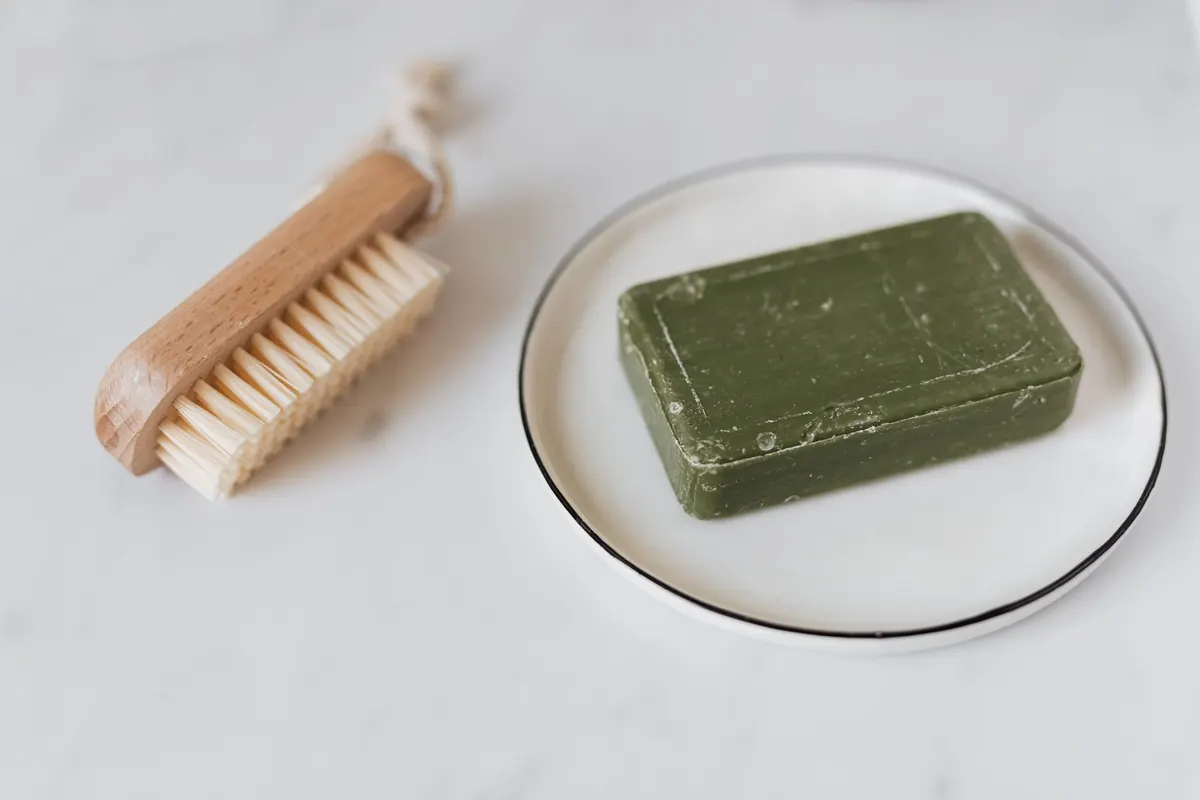
- Put one small drop of mild dish soap on your fingertips, not on the lens, and gently rub both sides of the lens and the frame. Fingertips only at this stage.
- Rinse again under lukewarm water until no soap remains.
- Shake off the excess water. Do not wipe dry with a towel.
- Blot, never rub, with a clean microfiber cloth. Let the frame air dry fully before folding it.
Safe to use
- Lukewarm water and a drop of plain, unscented dish soap
- Oakley's own lens cleaning solution or kit
- A clean microfiber cloth, washed regularly
- A soft toothbrush for grime in hinge crevices and around nose pad slots
Keep away from your lenses
- Paper towels, tissues and toilet paper, all of which contain wood fiber
- Glass cleaners containing ammonia
- Alcohol wipes, hand sanitizer and acetone-based products
- Hot water, which can lift coatings and warp frames
- Any dry wipe of a lens that has not been rinsed first
Everyday Habits That Save Lenses
Sunscreen is the most common cause of smeared Oakleys. If you have just applied it to your face or hands, wash your hands before you touch the lenses, and wipe sunscreen off your brow and nose before pushing the glasses back up. The same goes for hair products and moisturizer.
Rinse your frames with fresh water after salt water or a chlorinated pool. Salt and chlorine sit in the hinges and in the rubber, and they keep working long after you have toweled off. A quick rinse at the tap costs nothing.
Stop resting your sunglasses on top of your head. Hair oils and leftover product transfer straight to the brow line and the upper frame, and it is the easiest way to drop a pair onto concrete. When you set them down, put them lens-side up so the frame takes the contact, or better, put them in the case.
Rubber Parts: Nose Pads and Earsocks
Unobtainium grips harder as you sweat, which is why it works so well on a run. It also traps sunscreen, skin oils and salt. A sticky, greasy or whitish film on the rubber means it is due for a wash: warm water, a little mild soap, fingertips, then a soft toothbrush around the nose pad slots. Rinse and air dry.
Keep petroleum-based lotions and heavy sunscreen off the rubber where you can. If the material turns gummy, cracks or starts peeling away from the frame, it is not recoverable. Replacement nose pads and earsock kits are available for most current models and are far cheaper than new glasses.
Storage That Protects Coatings and Frames
A hard case is the difference between a pair that lasts five years and a pair that lasts one. The microfiber pouch is fine for a jacket pocket when it is clean, but a bag full of keys, sand and loose change will find your lenses eventually.
- Use the hard case for travel and for anything thrown in a bag.
- Do not stack two pairs in one case. Lens-on-frame contact scratches both.
- Keep them out of a hot car, especially the dashboard and glovebox.
- Skip the rearview mirror and the shirt collar as storage spots.
- Store folded, temples closed, at room temperature in a drawer or case.
- Wash your microfiber cloths every few weeks. By hand or in a mesh bag, with no fabric softener and no dryer sheets, both of which leave a film that smears lenses.
If you keep spare lenses or an X-Metal frame, the original box and foam are still the best home for them.
If the Damage Is Already There
Scratched coatings cannot be polished out. Abrasive compounds sold for "restoring" lenses will strip what is left of the coating and leave the lens worse. Replacement lenses are the real answer, and Oakley and its dealers stock them for most current frames.
Before you conclude a lens is scratched, clean it properly. A surprising number of marks turn out to be dried sunscreen or mineral spots from hard water, both of which come off with soap and warm water. If a scratch catches a fingernail when you drag it lightly across the surface, it is real.
A Short Routine Worth Keeping
Rinse before you wipe. Use soap and your fingers, then blot with a microfiber cloth that is actually clean. Keep the glasses out of heat and out of the bottom of a bag. Two minutes a week and a hard case will keep a pair of Prizm lenses looking new far longer than any cleaning product on the shelf.
Photo: DariuszSankowski / Pixabay


You Might Also Like
A rainy trail test of Oakley accessories: which pouches, straps, and quick-dry lens cloths keep eyewear clear and secure when every mile is wet.
Keep your Oakley sneakers and boots in top shape with a simple routine for cleaning, drying, and storing them correctly. Extend their life and avoid premature wear.