Oakley Goggles for Beginners: A First-Time Buyer's Guide to Fit and Visibility
Your first pair of goggles is a strange purchase. You cannot test them in the parking lot the way you test boots, and the features that matter most — how the foam sits on your cheekbones, whether the lens reads shadow on a flat afternoon — only show up on the hill. Most beginners buy on looks, then spend a season adjusting the strap and wiping fog off the inside of a lens they should never have touched. This guide walks through the four things that actually decide whether a pair of Oakleys works for you: fit, lens shape, tint, and how the goggle sits under or over your helmet.
Start With the Seal, Not the Frame
A goggle can be the wrong size and still feel fine in the shop for thirty seconds. What you are checking for is a continuous seal — foam touching skin from temple to temple, with no gap at the bridge of your nose and no pressure point above your eyebrows.
Oakley frames generally land in a mid-size and a large range, and several models are also offered in a low-bridge fit (sometimes listed as Asian fit) for faces with a flatter nose bridge. That variant is not a marketing detail. If the standard frame leaves a visible gap near your nose, no amount of strap tightening will close it, and cold air will find that gap all day.
Try the goggles on in this order:
- Without a hat or helmet. Pull the strap over your head and let the frame settle. It should sit lightly on your face.
- Look for gaps. Tilt your head down and look at a bright surface. Any light leaking in around the nose or inner corners means the seal is broken.
- Check the squeeze. Red marks that fade within a minute are normal. Sharp pressure under the eyes or at the temples will turn into a headache by lunchtime.
- Repeat with your helmet on. This is the test most people skip and later regret.
If you wear glasses, look for a frame with enough interior depth to sit clear of the arms of your glasses rather than pressing them into your face. A few models have that extra room; check the current spec sheet rather than assuming, and bring your glasses when you try them on.
Lens Shape: Cylindrical, Toroidal, and What Changes
Oakley makes both cylindrical and toroidal lenses across its goggle range, and the difference is geometry, not quality.
A cylindrical lens curves across the face and slightly top-to-bottom, like a section of a cylinder. It sits closer to a traditional goggle look, tends to cost less, and gives a wide, honest field of view. A toroidal lens curves in two directions, wrapping closer to the shape of the eye. That usually means clearer peripheral vision and less distortion at the edges, plus more overall volume, which helps if you overheat easily.
For a first pair, either is a reasonable choice. If you ride mostly groomed runs at moderate speed, a cylindrical lens is perfectly capable. If you ride fast, look far down the trail, or want the roomiest feel, a toroidal lens is the one people tend to keep.
One naming note that trips up beginners: Prizm is Oakley's lens contrast technology, not a shape. You will see Prizm and cylindrical or toroidal described on the same product page, and they answer different questions.
Choosing a Tint for the Light You Actually Ride In
Goggle lenses are rated by how much visible light they let through. Low-transmission tints are dark and built for bright sun; high-transmission tints are lighter and built for cloud, snow, and flat light. A dark lens on a grey day is the single most common beginner mistake — you end up squinting into flatness you cannot read.
- Bluebird days: a dark, mirrored lens. Low transmission, strong glare control.
- Mixed cloud and sun: a mid-tint with rose or amber base, the best single-lens compromise.
- Storms and flat light: a rose or high-transmission pink lens that lifts the texture out of snow. Oakley's Hi Pink tints are made for exactly this.
Mirrored coatings look bright and cut a little more light, but they show scratches more than a plain lens does. Polarized lenses are uncommon in snow goggles, and many riders prefer a non-polarized tint because it keeps the contrast that helps you feel the snow through your feet.
If you can only afford one lens, pick the middle of the range. If your goggles take interchangeable lenses, a second high-transmission lens for storm days is the best money you will spend after the goggles themselves.
Ventilation and the Fog Problem
Fog is a temperature and airflow problem, not a defect. Warm, moist air from your face meets a cold lens, and the moisture condenses. Goggles manage this with foam that breathes and vents at the top and bottom of the frame that let air pass through.
Three habits keep a good goggle clear:
- Never wipe the inside of the lens. That surface carries an anti-fog coating, and a glove or tissue will take it off permanently.
- Do not park your goggles on your forehead under a hat. That traps sweat and warm air right against the lens. Put them over your helmet or in their bag.
- Dry them at room temperature, face up and open, away from radiators, hair dryers, and hot cars.
If your goggles fog anyway, check that you are not wearing a neck gaiter pulled up over your nose and breathing straight into the frame. That single fix solves more fog complaints than any product change.
Helmet Compatibility and the Gap
The strap goes over the outside of the helmet shell, not under it. Beyond that, two details matter. First, the height of the frame: push your goggles up onto the helmet and see whether the top of the frame meets the brim or leaves open skin. That gap is what cold air and snow aim for.
Second, strap pivots. Oakley uses outriggers — hinge points where the strap meets the frame — so the goggle flexes to match the curve of the helmet instead of being pulled flat against your face. That is why a pair that felt tight in the shop can feel comfortable on the hill.
If you are buying a helmet at the same time, bring the goggles to the fitting, or bring your helmet to the goggle purchase. Five minutes of trying both together beats any online description.
Your First-Pair Buying Checklist
- Try on with your helmet and, if you wear them, your glasses.
- Confirm a gap-free seal at the nose in a low-bridge fit if the standard frame leaks.
- Choose a mid-range tint unless you know your conditions.
- Ask whether the lens can be swapped, and how much a spare costs.
- Buy from a shop or seller with a return policy, and keep the microfiber bag.
Goggles are one of the few pieces of gear you will notice every single run, in a good way or a bad one. Get the fit and the tint right, treat the lens gently, and your first pair can last several seasons before you start thinking about a second.
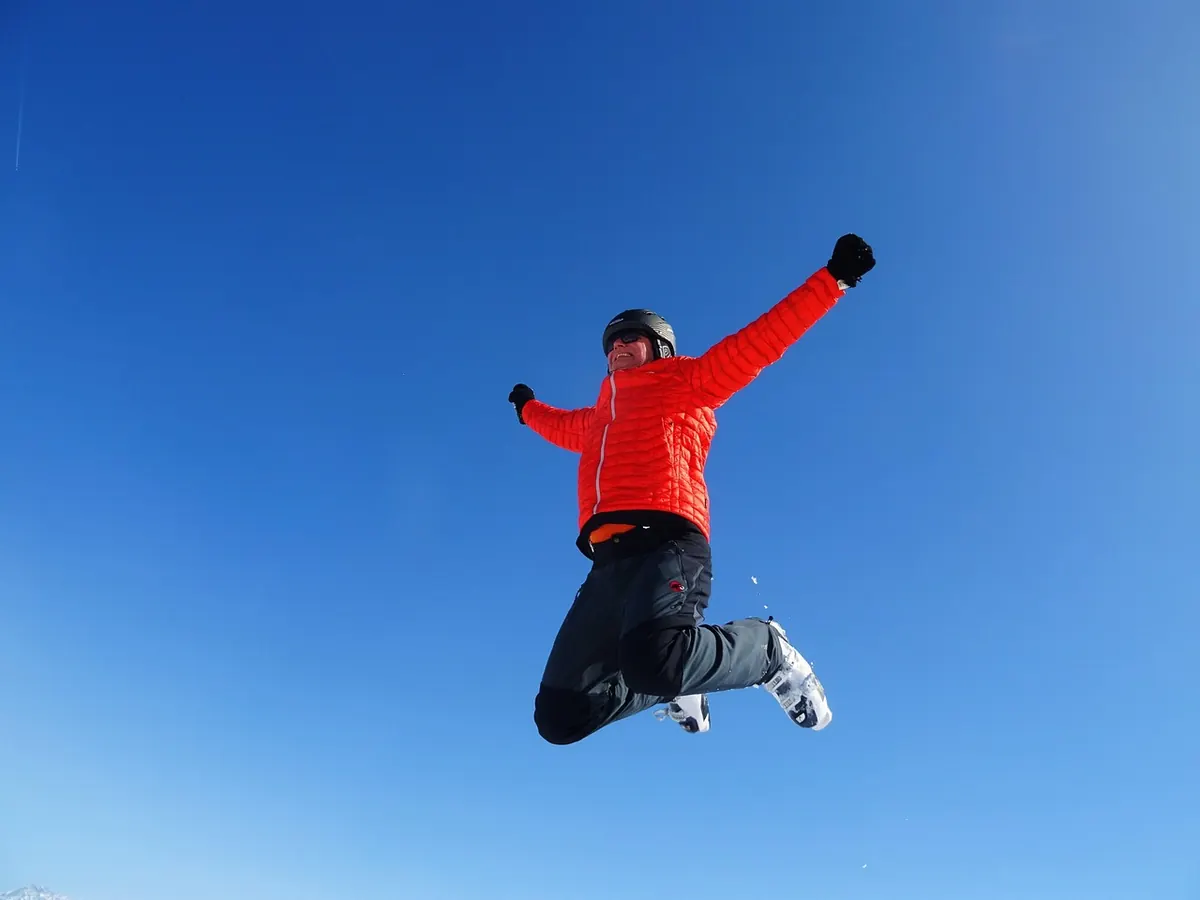
Photo: dannyschorsch / Pixabay


You Might Also Like
A rainy trail test of Oakley accessories: which pouches, straps, and quick-dry lens cloths keep eyewear clear and secure when every mile is wet.
Keep your Oakley sneakers and boots in top shape with a simple routine for cleaning, drying, and storing them correctly. Extend their life and avoid premature wear.